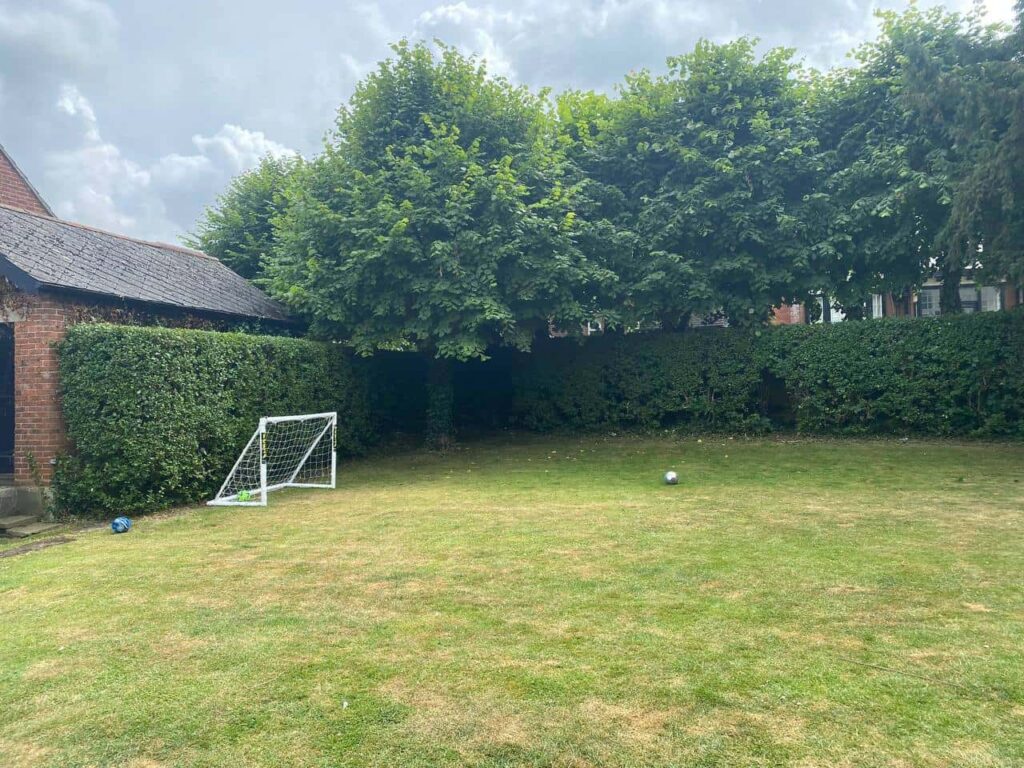
Trees add character, shade and natural beauty to gardens and outdoor spaces. However, without appropriate care, branches can become overgrown, obstruct pathways or grow too close to buildings and other structures. Regular tree trimming helps maintain a tree’s shape, manage its growth and reduce potential hazards while supporting the appearance of your property.
For homeowners and property managers in Ipswich, Suffolk, understanding when and how to trim trees can make a significant difference to their long-term condition. Ipswich Tree Surgeons provides professional tree surgery services to help keep trees properly managed, healthy and suited to their surroundings.
1. Why Is Regular Tree Trimming Important?
Tree trimming involves selectively removing branches to improve a tree’s structure, appearance and suitability for its location. The aim is not simply to reduce its size, but to manage growth in a way that supports the tree’s condition and the safety of the surrounding area.
Overgrown branches may extend across paths, driveways or garden seating areas, making outdoor spaces less convenient to use. Branches growing close to roofs, walls or other structures may also require attention to prevent contact and allow sufficient clearance.
Regular assessment can help identify dead, damaged or poorly positioned branches before they become more problematic. However, trimming should be based on the needs of the individual tree, as excessive cutting can weaken it and affect its natural growth.
2. Recognising When a Tree Needs Trimming
Knowing when to arrange tree trimming helps prevent minor issues from developing into larger maintenance concerns. Several signs may indicate that professional attention is appropriate.
Overgrown or Unbalanced Branches
Branches extending too far in one direction can affect the tree’s overall shape and clearance around nearby structures. Selective trimming may help manage the canopy while retaining a balanced appearance.
Dead or Damaged Wood
Dead branches, cracked limbs and visibly damaged sections may fall, particularly during strong winds. These should be assessed by a qualified tree surgeon to determine whether removal is necessary and how it can be carried out safely.
Branches Obstructing Access
Low-hanging branches can interfere with paths, driveways and entrances. Carefully planned trimming can improve access without unnecessarily removing healthy growth.
Dense Canopy Growth
Some trees develop dense areas of growth that create a crowded appearance. Selective crown thinning may help reduce congestion within the canopy, although it should only be undertaken where appropriate for the species and condition of the tree.
3. Understanding Different Tree Trimming Techniques
Different trimming methods serve different purposes. Choosing the right approach is important for maintaining the tree’s structure and avoiding unnecessary damage.
Crown Reduction
Crown reduction involves reducing the overall height or spread of a tree by carefully shortening selected branches. It may be appropriate where a tree has outgrown its setting, provided the work can be completed without compromising its natural form.
Crown Thinning
Crown thinning selectively removes certain branches throughout the canopy to reduce density. The aim is to retain the tree’s overall shape rather than simply cut back its outer edges.
Crown Raising
Crown raising involves removing or shortening selected lower branches to increase clearance beneath the canopy. This can be useful where branches obstruct pathways, entrances or garden areas.
Deadwood Removal
Deadwood removal focuses on taking out dead or dying branches that may pose a hazard or affect the tree’s appearance. The work also allows the remaining structure to be assessed for other signs of damage.
Not every tree requires every technique. A professional assessment helps determine which method, if any, is suitable for the tree’s species, age, health and surroundings.
4. Choosing the Right Time to Trim Trees
The best time for tree trimming depends on the species, the reason for the work and the tree’s condition. Some trees respond well to trimming during dormancy, while others require a different approach to avoid unnecessary stress or interfere less with flowering and fruiting.
Urgent issues, such as damaged branches that could fall, should be assessed promptly rather than left until a particular season. Before carrying out routine work, it is also important to consider whether birds are nesting in the tree and whether the proposed work could disturb them.
In Ipswich, Suffolk, local weather conditions and the characteristics of individual trees should form part of the planning process. A tree surgeon can advise on suitable timing and recommend an approach that balances practical requirements with the tree’s wellbeing.
5. Why Professional Tree Trimming Matters
Tree trimming can involve working at height, handling heavy branches and using specialist cutting equipment. Attempting substantial work without the appropriate skills and equipment can put people, property and the tree itself at risk.
Professional tree surgeons assess the tree before deciding which branches to remove. They consider the likely effect of each cut, the tree’s structure and the presence of nearby buildings, fences, roads or garden features.
This careful approach helps avoid indiscriminate cutting, which can leave large wounds, encourage weak regrowth or damage the tree’s natural shape. Professional work also helps ensure that branches are removed in a controlled manner and the surrounding area is managed safely.
Ipswich Tree Surgeons can assess your trees and recommend suitable trimming work based on their condition and location.
6. Maintaining Trees Between Trimming Visits
Although professional trimming may be needed periodically, simple observation can help property owners identify developing problems. Look for changes such as broken branches, unusual canopy thinning, visible cracks or branches beginning to interfere with nearby structures.
Avoid cutting large limbs simply to maintain a particular shape, as excessive pruning can affect the tree’s health and stability. If you are unsure whether a branch needs removing, seek professional advice before carrying out work.
Regular assessment and appropriate trimming can help trees remain attractive and better suited to the spaces in which they grow.
Conclusion
Tree trimming helps maintain a neat appearance, improve clearance around buildings and pathways, and address potentially hazardous branches. The most effective approach depends on the individual tree, making careful assessment and suitable pruning techniques essential.
If your trees have become overgrown or need professional attention, contact Ipswich Tree Surgeons to discuss tree trimming services in Ipswich, Suffolk. The team can assess your trees and help you choose an appropriate way to keep them neat, safe and well-managed.
Call us on: 01473 943 097
Click here to find out more about Ipswich Tree Surgeons
Click here to complete our contact form and see how we can help with your tree needs.